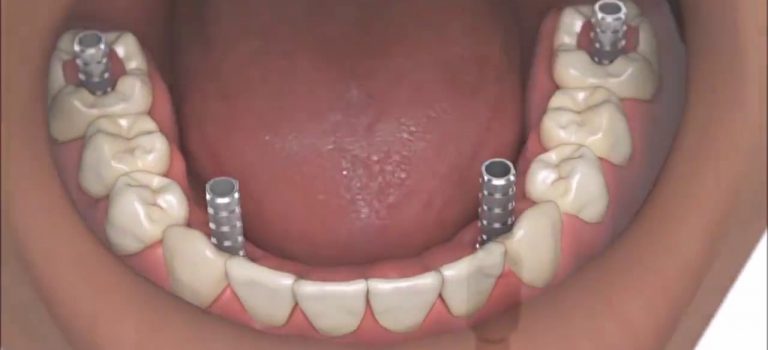
Here is another video from our series that show you mechanics behind BUILDING, MARKETING, and GROWING a dental practice.
========================================================
I also have a FREE 90 minute training session on this topic you can access here below:
http://bit.ly/dentalpracticemastery-yt
You can also “Learn How To Create Your Practice, Market It Online, And Build A Team To Setup Systems And Automation.”
All that training is FREE at: http://bit.ly/dentalpracticemastery-yt
Leave me a comment below and let me know what you think! I actually read them all and reply back!
In the United States alone, there are hundreds of thousands of dental workers employed at dental offices and laboratories that provide essential services for the rest of the population. These same professionals may face potential occupational hazards due to exposure risks inherent in the profession.
In addition to exposure risks associated with biological and blood-borne pathogens, there are a number of other potential material and chemical hazards that may be present in dental facilities. In fact, according to the U.S. National Library of Medicine, “Dental office and lab workers may be exposed to beryllium, which is used to make crowns, bridges, and partial dentures. Beryllium is listed as a human carcinogen in the Thirteenth Report on Carcinogens published by the National Toxicology Program. Dental workers may face potential reproductive health risks from exposure to heavy metals, organic solvents, sterilizing substances, and anesthetic gases. They may develop respiratory diseases after long-term exposure to dental drills made of cobalt, a hard metal. Dental workers may also be exposed to phthalates, which are used to make plastic medical devices; formaldehyde-resin adhesives; glues; and coatings. If dental workers use latex gloves, they may develop latex allergies or occupational asthma.”
The U.S. National Library of Medicine also reports that, “The U.S. Food and Drug Administration has concluded that there is no evidence to show that amalgam fillings that contain mercury cause harm to patients. However, dentists and dental workers should handle amalgam materials with care.”
The anesthetic gases and vapors that may leak into the surrounding room during dental procedures are considered waste anesthetic gases. According to the Occupational Safety & Health Administration (OSHA), “It is estimated that more than 250,000 health care professionals who work in hospitals, operating rooms, dental offices and veterinary clinics, are potentially exposed to waste anesthetic gases and are at risk of occupational illness.”
Currently, there are no specific OSHA standards for dentistry. However, exposure to numerous biological, chemical, environmental, physical, and psychological workplace hazards that may apply to dentistry are addressed in specific standards for the general industry.
These are just partial list of some of the potential indoor environmental and occupational exposure concerns that may be present in dental offices and laboratories. To learn more about this or other occupational, environmental, indoor air quality, health or safety issues, please visit the websites shown below:
Clark Seif Clark http://www.csceng.com
EMSL Analytical, Inc. http://www.emsl.com
Indoor Environmental Consultants, Inc. http://www.iecinc.net
LA Testing http://www.latesting.com
Zimmetry Environmental http://www.zimmetry.com
Healthy Indoors Magazine http://www.iaq.net
Hudson Douglas Public Adjusters http://HudsonDouglasPublicAdjusters.com
For automating your dental accounting services and maximizing the amount of money you get to keep (and not give to the IRS) you can learn more about my DentistMetrics’ Dental CPA firm here: http://dentistmetrics.com
Hey Ambitious Dentists,
Do you always feel like you’re playing catchup on learning the latest best practices for running a successful dental practice?
Whether it’s taking yet another training, or listening to the top rated dental podcasts, it can often be a challenge to keep up.
While putting in the work daily is part of running a thriving practice, knowing the “big wins” for getting the best results can help take your practice to the next level.
Which is why I’m very excited to introduce today’s guest Dr. Chris Salierno.
Dr. Chris is the editor and chief of the Dental Economics and a practicing dentist in New York. He also serves as the editorial director for DE’s Principles of Practice Management e-newsletters and lectures internationally on clinical dentistry, practice management, and leadership development.
I think you’ll find our conversation is jam packed with actionable insight you can apply to grow your practice.
Here are a few things you’ll discover in today’s episode
How Dr. Chris balances practicing two to three times a week and being the editor and chief of Dental Economics.
Why dental economics is so important, and how to spot dental practice opportunities.
The importance of patient experience and how to stand out from your competition.
What Dr. Chris has learned from being editor in chief of Dental Economics.
Whether or not you need an MBA to build a successful practice.
Why having a mentor is one of the best investments you can make.
How to build your “business mindset” consistently.
And much more!
See the full episode at http://dentistmetrics.com/dental-economics/
Cathy Fisher of Healthcare Practice Management, a member company of ADS Dental Transitions discusses the ways a dentist might go about beginning his/her dental career after finishing dental school.
For additional information contact Cathy or your local ADS broker at: http://www.adstransitions.com.
Rory and Aydah are home sick today. Jayla goes to the dentist. Everyone gets an early Christmas gift so that they feel better! Thanks so much for the love and …
Joel H. Berg is Professor and Lloyd and Kay Chapman Chair for Oral Health at the University of Washington School of Dentistry in Seattle. Dr. Berg is a board-certified pediatric dentist and was President of the American Academy of Pediatric Dentistry for 2012-13. Dr. Berg previously held positions as Chair of Pediatric Dentistry at the University of Washington from 2003-12, as Vice President of Clinical Affairs at Philips Oral Healthcare (Sonicare) from 2000-2003, and as Head of the Scientific Department for ESPE Dental AG (Seefeld, Germany) from 1998-2000. He is the author of the book Early Childhood Oral Health, and of over one hundred manuscripts and book chapters on subjects including dental restorative materials for children and other work related to biomaterials. His current research interests include the development of dental caries prevention programs using risk assessment models and early childhood oral health.